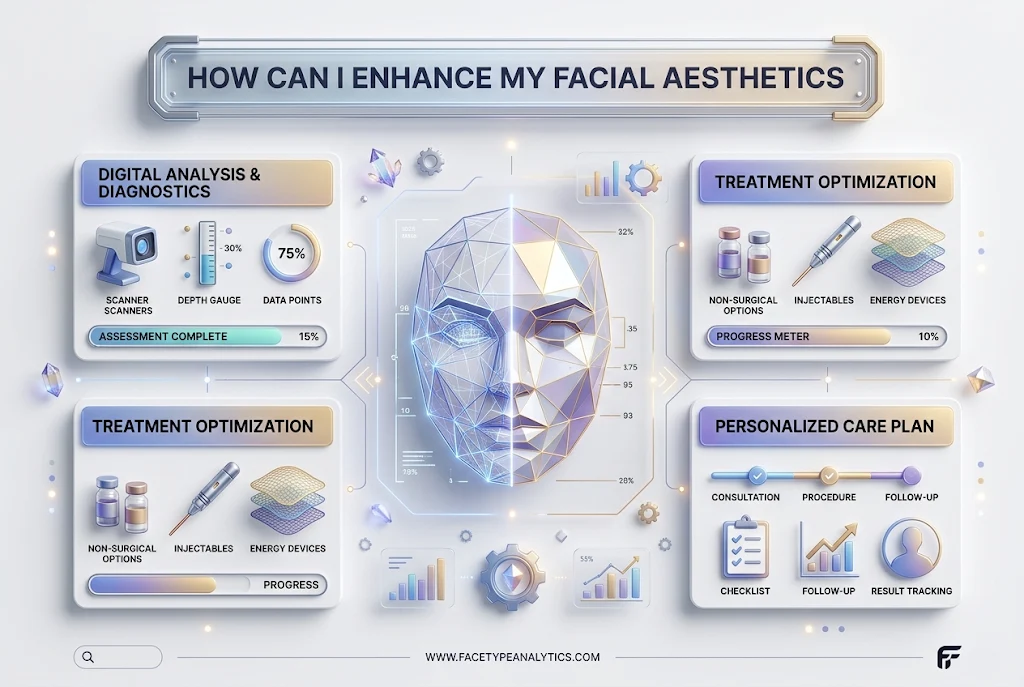
Facial aesthetics is not about chasing a single beauty standard or changing every feature you notice in the mirror. It is about improving the overall impression your face gives: healthy skin, balanced proportions, expressive features, good grooming, and confidence in how you carry yourself. If you have been asking, “how can i enhance my facial aesthetics?”, the most useful answer is to start with changes that support your natural features rather than trying to copy someone else’s face.
The best approach combines daily habits with targeted choices. Skin care, sleep, nutrition, hair, facial hair, posture, and dental health can make a visible difference without invasive treatment. If you want more dramatic or specific changes, professional options may also be appropriate, but they require realistic expectations and qualified guidance. This article breaks down the practical ways to refine your appearance, explains what matters most, and helps you decide where your time and money will have the greatest impact.
Skin Health Creates the Strongest Foundation
Clear, hydrated, even-toned skin tends to make every other facial feature look more polished. You do not need flawless skin to look attractive, but reducing dryness, congestion, irritation, and sun damage can noticeably improve how fresh and rested your face appears.
Keep your routine simple enough to follow consistently. A gentle cleanser, moisturizer suited to your skin type, and broad-spectrum sunscreen are the core products for most people. Add active ingredients slowly, especially if you are prone to redness, acne, or sensitivity.
Build a Routine Around Your Main Concern
Choose products based on the issue you genuinely want to address. Salicylic acid can help with clogged pores and breakouts, while retinoids may improve texture, acne, and fine lines over time. Vitamin C is often useful for dullness and uneven pigmentation, but it is not essential for everyone.
Introduce one new active product at a time and use it for several weeks before judging results. Applying multiple strong products at once can damage the skin barrier, create irritation, and make it harder to identify what is helping or causing problems.
Protect Your Skin From Daily Damage
Sunscreen is one of the most effective long-term investments in facial appearance. UV exposure contributes to pigmentation, fine lines, uneven texture, and loss of firmness. Use a broad-spectrum SPF 30 or higher each morning, including on cloudy days when you spend time near windows or outdoors.
Reapply when you are in direct sunlight for extended periods, sweating, or swimming. A hat and sunglasses offer useful extra protection and can prevent squinting, which may deepen expression lines over time.
Grooming Brings Your Features Into Better Balance
Good grooming helps your face look intentional rather than overworked. Small details such as shaped eyebrows, a flattering haircut, clean facial hair, and well-maintained lips often have more visible impact than buying another expensive product.
The goal is not to make every feature perfectly symmetrical. Most attractive faces have natural variation. Grooming should create structure, frame the eyes, and bring attention to the features you like most.
Shape Your Brows Conservatively
Eyebrows affect facial expression more than many people realize. They frame the eyes and influence whether your face appears open, serious, soft, or tired. Remove only obvious stray hairs first, then assess the shape in natural light before making further changes.
If you are unsure of the best shape, see a skilled brow professional once and maintain the result at home. Avoid making brows too thin or creating an exaggerated arch, as both can look dated or harsh.
Match Facial Hair to Your Face Shape
For people who grow facial hair, the right style can make the jawline look stronger or create better proportion between the lower and upper face. A short, neat beard can add definition to a softer jaw, while heavy width at the sides may make a round face appear broader.
Keep cheek and neck lines tidy, but avoid drawing them unnaturally high or low. If your growth is patchy, clean stubble or a fully shaved look often appears more refined than trying to force a dense beard shape.
Quick Grooming Wins
- Schedule haircuts often enough to keep the intended shape, rather than waiting until it looks unmanageable.
- Trim nose and ear hair discreetly if needed.
- Use lip balm regularly, especially in dry or cold weather.
- Keep nails clean, since people often notice hands during conversation.
- Replace dull razor blades to reduce irritation and uneven shaving.
- Choose eyewear that complements your brow line and face width.
Hair and Styling Influence Facial Proportions
Your hairstyle can visually lengthen, narrow, soften, or sharpen the face. This makes it one of the most adjustable ways to enhance facial aesthetics. The best style is not necessarily the current trend; it is one that works with your hair density, texture, maintenance preference, and face shape.
Ask your stylist for a haircut recommendation based on these factors rather than arriving with a celebrity photo alone. Reference photos are useful, but the same cut can look very different depending on hairline, curl pattern, and facial structure.
Choose Volume and Length With Purpose
Volume at the crown can add vertical balance to a rounder face. Hair that sits wider at the cheeks can make an already broad face seem wider, while controlled side volume may flatter a longer face. Bangs, part placement, and layers can also alter how prominent the forehead or cheekbones appear.
For shorter styles, clean lines around the temples and neckline often look sharper. For longer hair, healthy ends and movement matter more than simply adding length. Regular trims prevent the style from looking thin or neglected.
Use Color and Texture Carefully
Hair color can affect how even your skin tone appears. Warm or cool shades that clash with your undertones may emphasize redness, sallowness, or shadows under the eyes. A professional color consultation can help if you are making a significant change.
Texture products can be helpful, but avoid using so much gel, wax, or dry shampoo that hair looks stiff or dirty. A natural finish usually photographs better and keeps attention on your face rather than the product.
Support Facial Aesthetics With Sleep and Lifestyle
A well-designed grooming routine cannot fully compensate for chronic fatigue, dehydration, stress, or poor nutrition. Sleep affects under-eye darkness, skin repair, inflammation, and facial puffiness. Consistent rest also improves energy and expression, which changes how approachable and attractive a person appears.
Aim for a regular sleep schedule and enough hours to wake feeling restored. The exact amount varies, but many adults function best with seven to nine hours. If you snore heavily, wake gasping, or remain exhausted despite enough time in bed, speak with a healthcare professional.
Reduce Puffiness Without Extreme Fixes
Morning puffiness can be linked to high-sodium meals, alcohol, allergies, poor sleep, and sleeping position. Drinking enough water throughout the day and limiting late-night salty foods can help. A cool compress may temporarily reduce swelling around the eyes.
Do not rely on aggressive facial massage, dehydration, or restrictive diets to change your face quickly. These methods can produce short-lived effects at best and may create health problems or make skin look dull.
Eat for Skin, Muscle, and General Health
A balanced diet supports the tissues that influence facial appearance. Protein helps maintain muscle and repair, while fruits, vegetables, healthy fats, and adequate fluids support skin function. There is no single “beauty food,” but steady habits usually show more than short detoxes.
If acne seems linked to a particular food pattern, track it carefully rather than eliminating many foods at once. For persistent acne, rosacea, eczema, or unexplained swelling, seek advice from a dermatologist or clinician.
A Practical Daily Routine
1. Cleanse gently in the morning if needed, then apply moisturizer and sunscreen.
2. Eat regular meals with protein, fiber, colorful produce, and enough water.
3. Maintain good posture during work and phone use to avoid constant downward head positioning.
4. Remove sunscreen and makeup thoroughly at night without harsh scrubbing.
5. Apply a simple nighttime moisturizer or prescribed treatment.
6. Prioritize a regular bedtime and reduce alcohol, smoking, and nicotine use where possible.
Dental Care Improves the Lower Face and Smile
A healthy smile can make a major difference in facial aesthetics because it affects expression, confidence, and the apparent balance of the lower face. Straight, white teeth are not the only goal; healthy gums, fresh breath, and a smile that feels natural are equally important.
Brush twice daily with fluoride toothpaste, clean between teeth each day, and attend regular dental appointments. If you are considering whitening, aligners, bonding, or other cosmetic work, start with an oral health assessment so existing decay or gum disease is addressed first.
Consider Whitening With Realistic Expectations
Whitening can brighten natural tooth enamel, but it does not change the color of crowns, veneers, fillings, or bonding. Store-bought strips may work for mild staining, while professional options offer more supervision and can be safer for people with sensitivity.
Avoid excessive whitening or abrasive DIY methods such as charcoal powders and acidic treatments. Overuse can increase sensitivity and wear down enamel, making teeth look less healthy over time.
Address Bite and Alignment Concerns Professionally
Teeth alignment and bite issues may affect smile appearance, chewing comfort, and long-term dental wear. Orthodontic treatment can improve alignment, but it is not a quick cosmetic decision. The best approach depends on your bite, gum health, bone support, and goals.
A dentist or orthodontist can explain whether aligners, braces, restorations, or no treatment is the sensible option. Be cautious of online cosmetic trends that encourage filing teeth or using unregulated temporary veneers.
Enhance Your Features With Makeup or Subtle Styling
Makeup is optional, but it can be a useful tool for emphasizing features without changing them permanently. The most polished results usually come from even skin preparation, strategic placement, and colors that suit your complexion instead of heavy coverage everywhere.
For a natural look, focus on areas that bring life to the face: lightly groomed brows, curled lashes or mascara, cream blush, and a lip color close to your natural tone. Build coverage only where you need it rather than masking the entire face.
Use Light and Placement to Your Advantage
Blush placement can change the perceived structure of the face. Applied slightly higher on the cheeks, it can create a lifted appearance; placed more centrally, it can create a softer, youthful effect. Bronzer should mimic natural warmth, not create an obvious stripe.
Contouring can add definition in photographs, but heavy contour often looks unnatural in daylight. Start with minimal product and blend thoroughly. Cream formulas may look more skin-like on dry or mature skin, while powder can suit oilier complexions.
Select Glasses and Accessories as Facial Frames
Eyeglasses are a strong style element because they sit at the center of the face. Frames should generally align with your brow area and fit your face width without pinching or sliding. The right shape can balance angular or rounded features.
Small earrings, necklaces, scarves, and collar choices can also direct attention upward toward the face. Choose pieces that support your personal style instead of wearing every trend at once.
Feature-Enhancement Options at a Glance
| Goal | Non-Invasive Option | Professional Option | Important Consideration |
|—|—|—|—|
| Duller skin | Sunscreen, moisturizer, gentle exfoliation | Dermatology treatment or chemical peel | Treat irritation before using stronger products |
| Sparse brows | Brow pencil, tinted gel, careful shaping | Professional brow shaping or tinting | Avoid permanent changes without a test period |
| Less defined jawline | Posture, weight stability, beard styling | Cosmetic consultation | Facial structure cannot be changed by exercises alone |
| Dark under-eyes | Sleep, allergy management, color correction | Dermatology or medical assessment | Causes vary from pigmentation to anatomy |
| Uneven teeth | Good hygiene and whitening where appropriate | Orthodontics or cosmetic dentistry | Protect enamel and address gum health first |
Posture and Expression Change How Your Face Is Perceived
Facial aesthetics is partly about the face itself and partly about how it is presented. A forward head posture can make the neck and jaw area look compressed, while standing upright can create a cleaner line from chin to collarbone. Good posture also tends to make people appear more confident.
Your resting expression matters as well. Constant squinting, frowning, or clenching can make you look tense even when you do not feel that way. This is not a reason to force a smile all day, but it is worth noticing habits that create unnecessary facial tension.
Improve Your Everyday Posture
Keep screens closer to eye level when possible and take regular movement breaks if you work at a desk. Gently retract the chin rather than pushing it upward, and let the shoulders settle down and back. Strengthening the upper back and neck with professional guidance can help over time.
Avoid promises that facial exercises will reshape bone structure or permanently eliminate a double chin. Exercise can improve general fitness and posture, but claims of dramatic local facial sculpting are usually overstated.
Practice a Relaxed, Confident Expression
A relaxed jaw, soft brow, and eye contact can make a bigger difference in social settings than tiny cosmetic adjustments. Check for teeth clenching, especially during stressful work or driving. If you grind your teeth at night, a dentist can advise on protection.
Photos can help you identify your most natural, comfortable angles and expressions. Use them as feedback, not as a reason to criticize every asymmetry that other people are unlikely to notice.
When Professional Treatment May Be Worth Considering
Professional treatments may be helpful when you have a specific concern that cannot be resolved with skincare, grooming, or lifestyle changes. Examples include persistent acne scarring, significant pigmentation, bite concerns, hair loss, or a feature you have considered changing thoughtfully for a long time.
Start with a consultation from a qualified, licensed professional who discusses risks, recovery, alternatives, and likely outcomes. Be wary of anyone promising perfection, pressuring you to book immediately, or minimizing complications.
Dermatology and Aesthetic Medicine
A dermatologist can provide evidence-based treatment for acne, scarring, rosacea, hyperpigmentation, hair loss, and other skin conditions. In some cases, procedures such as peels, lasers, microneedling, or prescription medications can be more effective than endless product experimentation.
Injectables and other aesthetic procedures should be approached conservatively. Facial balance can be disrupted when treatments are overdone or copied from trends that do not suit your anatomy. A subtle plan often ages better than frequent, dramatic changes.
Cosmetic Surgery Requires Careful Decision-Making
Surgical procedures can create lasting changes, so they demand more research and reflection than temporary cosmetic treatments. Meet with a board-certified surgeon relevant to the procedure, review before-and-after results critically, and ensure you understand healing time and possible revision needs.
A good clinician should not make you feel ashamed of your face. They should help you decide whether your goal is realistic and whether the expected benefit justifies the financial, physical, and emotional cost.
Common Mistakes That Can Work Against Your Appearance
- Changing too many products at once and triggering irritation.
- Copying a haircut, beard, or cosmetic trend that does not suit your proportions.
- Over-exfoliating, over-whitening, or overusing strong actives in search of fast results.
- Using filters as the benchmark for real-life facial appearance.
- Ignoring dental, skin, sleep, or allergy issues while focusing only on makeup or cosmetic procedures.
- Choosing a provider based only on price or social-media popularity.
- Comparing your unedited face to professionally lit, edited images.
Build a Personal Plan Instead of Chasing Perfection
The most sustainable improvements come from identifying a few priorities and following them long enough to see results. Start with the basics: sunscreen, a straightforward skincare routine, hair and brow maintenance, sleep, posture, and dental hygiene. These habits have a compounding effect and support a healthy appearance at every age.
Then choose one or two refinements that feel meaningful to you. That might mean finding a better haircut, booking a dermatology appointment for acne scars, learning natural makeup techniques, or speaking to a dentist about a smile concern. For more ideas on building a routine that suits your complexion, see [Internal Link: skincare routine for healthy glowing skin].
Set Goals You Can Measure
Vague goals such as “look better” can lead to endless spending and dissatisfaction. Replace them with clear, practical goals: reduce breakouts, maintain a haircut shape, improve sunscreen consistency, whiten teeth safely, or reduce morning puffiness.
Take progress photos in similar lighting every four to eight weeks if that helps you stay objective. Day-to-day changes are often too subtle to judge accurately, while consistent photos can reveal gradual improvement.
Leave Space for Individual Character
Aesthetic appeal is not the same as uniformity. Freckles, a distinctive nose, natural texture, uneven brows, and other individual features can make a face memorable. Enhancing facial aesthetics should help you look well cared for and like yourself, not erase your character.
Confidence is easier to build when your choices are rooted in comfort and personal preference. Aim for a version of your appearance that feels sustainable on an ordinary weekday, not only under ideal lighting or after hours of preparation.
Conclusion
The most effective way to improve your appearance is to focus on healthy, repeatable habits before pursuing dramatic changes. Clearer skin, consistent sun protection, flattering hair, tidy grooming, quality sleep, dental care, and better posture can all make your face look more rested, balanced, and intentional. These changes also support your health, which makes them more worthwhile than short-lived trends.
If you are considering professional treatment, begin with a specific concern and choose a qualified provider who explains both benefits and limitations. Subtle, well-planned improvements usually look more natural than trying to alter every feature at once. When you ask how can i enhance my facial aesthetics?, the practical answer is to refine what already works, address genuine concerns safely, and give your routine enough time to produce visible results. The aim is not a perfect face; it is a healthier, more confident version of your own.
Frequently Asked Questions
Can facial exercises improve facial aesthetics?
Facial exercises may improve awareness of posture and muscle tension, but they will not significantly reshape bone structure or spot-reduce facial fat. Prioritize sleep, skincare, weight stability, and professional advice for concerns that need targeted treatment.
What improves facial appearance the fastest?
A fresh haircut, better grooming, hydrated skin, quality sleep, and reduced facial puffiness can create fast visible improvement. For longer-lasting results, maintain sunscreen use and a consistent skincare routine rather than relying on one-off fixes.
Can skincare change facial structure?
Skincare cannot change bone structure or fundamentally alter facial proportions. It can improve texture, clarity, hydration, tone, and fine lines, which often makes features look more defined and the overall face appear healthier.
Is a sharper jawline possible without surgery?
A sharper jawline may be enhanced visually through posture, stable body weight, beard styling, makeup, and reducing temporary puffiness. These methods cannot change skeletal anatomy, so results vary according to your natural facial structure.
Which professional should I see for facial concerns?
See a dermatologist for skin, acne, pigment, or hair-loss concerns; a dentist or orthodontist for smile and bite issues; and an appropriately certified aesthetic provider for cosmetic treatments. Start with a consultation and realistic goals.